Watercolor Pink Butterflies: A Delicate Embroidery Design for Soft Projects
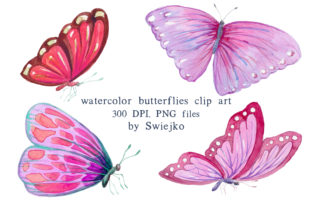
As an experienced embroidery designer and product reviewer, I’ve tested countless digital embroidery files. When I first saw Watercolor Pink Butterflies, I knew it had a unique visual personality that would stand out in the right context. The design brings a dreamy, whimsical mood to any project—soft, romantic, and artistic. It’s not just another floral or butterfly motif; this one feels like it was painted on fabric, with gentle strokes and pastel hues that evoke springtime and femininity.
Aesthetic First Impressions
The layout of Watercolor Pink Butterflies is balanced yet organic. It doesn’t follow rigid symmetry, which gives it a hand-painted charm. The butterflies are positioned as if floating gracefully across the canvas, with subtle shading and blending that mimic real watercolor effects. This kind of detail is rare in machine embroidery designs, making it a standout choice for crafters who want to add a touch of artistry to their handmade products.
Visually, it’s best suited for projects where softness and elegance are key. Think custom apparel like sweatshirts and t-shirts, especially those made from cotton or blends. It also works beautifully on tote bags, aprons, and pillow covers. For baby clothes and nursery decor, the design adds a sweet, delicate vibe that parents love. Its visual appeal is strong enough to draw attention but not overwhelming—perfect for creating a subtle statement.
Stitching Clarity and Visual Harmony
When considering how the design translates into stitch form, I noticed that it uses a mix of satin stitch and fill stitch techniques to capture the watercolor texture. The running stitch outlines help define the butterflies without being too bold, allowing the soft gradients to shine through. However, due to its intricate detailing, it's important to review stitch density carefully. Too dense and it could look muddy, especially on lighter fabrics; too loose and the fine lines may disappear.
I recommend testing Watercolor Pink Butterflies on scrap fabric before using it on your final product. Look closely at how the thread colors interact with the background. Since it features pink tones, you’ll want to ensure there’s enough contrast against whatever fabric you're working with. Light grays, whites, and pastels work well, while dark backgrounds may require adjusting the color palette or adding stabilizer for better visibility.
Where It Shines Best
This design excels in a few specific use cases:
- Tote bag designs: The soft, flowing style complements large-format tote bags. It looks elegant when placed near the bottom edge or centered subtly on the front.
- Sweatshirt embroidery: Especially on oversized hoodies or loungewear, the Watercolor Pink Butterflies motif adds a refined, seasonal touch. Just make sure the hoop size is sufficient to accommodate the full design.
- Baby embroidery: With its gentle aesthetic, it fits perfectly on onesies, bibs, and blankets. Parents often seek designs that feel both personal and professional, and this one hits that balance.
- Holiday gifts: Whether embroidered on tea towels, aprons, or decorative pillows, it brings a fresh and cheerful energy to winter or spring-themed items.
- Etsy sellers and small shop owners will appreciate how it elevates handmade products with minimal effort. It can be used as part of a cohesive collection of soft-toned embroidery motifs, helping build brand consistency in boutique-style offerings.
For commercial embroidery purposes, this design has potential as long as licensing terms allow for resale. Always confirm the file permissions before including it in your product line. As a digital embroidery file, it integrates smoothly into printable mockups, which is great for showcasing your finished product to buyers online.
Use with Caution
While Watercolor Pink Butterflies is visually appealing, it’s not universally suitable for every embroidery project. Here are some situations where you might need to adjust your approach:
- Small hoop sizes: The design includes fine details that could get lost in smaller hoops. If you’re planning to make an embroidered patch or cap design, consider resizing or simplifying parts of the illustration.
- Textured or stretchy fabrics: These materials can distort the soft curves of the butterflies. Stick to woven or lightweight knits for the best results.
- Thin or dark fabric: The pastel shades may not pop as expected on black or navy bases. Consider using white or light-colored threads to enhance visibility.
- Products that undergo frequent washing: The delicate nature of the design means it needs proper stabilizer to prevent distortion over time. Cotton interfacing or cutaway stabilizers are good options depending on the fabric type.
- Curved surfaces: Like caps or curved garment panels, the design may not lay flat correctly after stitching. Test it in these conditions before mass production.
Design Notes for Practical Use
Here are some tips I’ve picked up while evaluating this design for real-world applications:
- Check thread color contrast: On light backgrounds, stick to the original pink tones. For darker bases, test with white or cream threads to maintain clarity.
- Review stitch density: Adjust settings based on fabric weight. Dense stitching may cause puckering on thinner materials, while too little density can make the design appear incomplete.
- Confirm hoop size: Make sure your hoop is large enough to hold the entire design without stretching or distorting the image.
- Inspect small details : The brush stroke textures and delicate wings need careful attention during stitching. If your machine struggles with tiny elements, simplify the design or increase the stitch size slightly.
- Test in black and white: Sometimes, the true impact of a design isn’t clear until you see it in grayscale. This helps assess how it will perform with different color palettes or monochrome preferences.
- Compare light and dark fabric backgrounds: You’ll likely find that the design looks best on lighter fabrics, but experimenting with contrasting bases can yield surprising results.
- Use proper stabilizer: Especially for soft or stretchy materials, a good stabilizer is essential to keep the design intact and looking crisp after multiple washes.
- Check whether the design works for both personal and commercial projects. While it’s lovely for a personalized gift, ensure it aligns with your brand identity and target market if you plan to sell it.
- Confirm licensing before selling finished items or digital products. Many embroidery illustrations come with restrictions, and violating them could lead to legal issues down the line.
Impact on Product Value and Customer Perception
What makes Watercolor Pink Butterflies valuable isn’t just its beauty—it’s the emotional response it evokes. In today’s market, customers are drawn to products that feel thoughtful and intentional. This design does exactly that. Whether it’s a custom apparel piece for a boutique or a holiday gift for an Etsy listing, it adds a sense of refinement and care that builds customer trust.
As a handmade product element, it enhances the perceived value of your item. Buyers recognize the effort behind such detailed artwork and are more likely to view it as high-quality. It also supports brand consistency if you're curating a line of soft, nature-inspired merchandise. The design’s versatility allows it to serve as a decorative accent or a central feature, depending on how you position it on the garment or accessory.
Final Thoughts for Makers and Entrepreneurs
In my experience, Watercolor Pink Butterflies is a versatile and charming addition to your design library. It’s ideal for creators aiming to blend art with function, particularly in niches like custom apparel, personalized gifts, and soft home goods. The design naturally fits into illustrations collections that prioritize aesthetics without compromising practicality.
However, it requires a bit more attention than simpler motifs. Because of its delicate nature, it won’t perform well on every surface or under all conditions. That said, when used thoughtfully, it can elevate your embroidery project into something memorable. Just remember to test it thoroughly and understand its limitations so you can maximize its strengths.
If you’re an embroidery designer or craft business owner, take the time to evaluate how this design fits into your workflow. Does it match your brand? Can your machines handle its complexity? And most importantly—will your customers love it as much as you do?