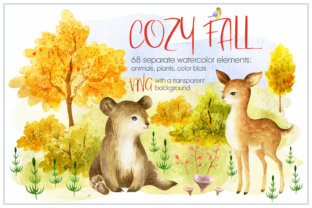
Cozy Fall Watercolor Animals and Plants Review
As an embroidery designer with years of experience in creating and testing machine embroidery designs for both personal and commercial use, I always approach new design sets with a critical eye. When I first saw Cozy Fall. Watercolor Animals and Plants, the visual style immediately stood out. It’s not just another autumn-themed set—it has a soft, hand-painted feel that feels like it was made for cozy handmade projects. The watercolor aesthetic brings warmth and whimsy, making it ideal for fall-inspired apparel and décor.
A Mood That Matches the Season
The Cozy Fall. Watercolor Animals and Plants design set evokes a gentle, nostalgic mood. Think of golden leaves gently falling, a squirrel gathering acorns, or a fox peeking from behind a tree. These illustrations are full of subtle texture and color blending, which is perfect for creating that artisanal, “just right for fall” vibe. As a designer, I appreciate how these elements can be used to elevate a simple sweatshirt into something memorable—especially when you’re targeting customers who value thoughtful, seasonal design.
Layout and Detail: A Balanced Approach
Each illustration is thoughtfully composed, avoiding overly complex layouts while still offering enough detail to make them visually engaging. For instance, the deer motif includes light shading and delicate line work that translates well into satin stitch and fill stitch combinations. The plant life—like maple branches and ferns—has a natural flow, making it easy to integrate into larger compositions or use as standalone elements.
One thing I look for in any embroidery file is how it handles corners and transitions. In this set, most shapes have smooth curves and clean lines, which helps reduce the risk of stitching errors. However, some of the smaller animal features (like whiskers or leaf veins) require closer inspection. If you're planning to stitch on thin or stretchy fabric, those tiny details might disappear unless you take extra care with stabilizer and hoop size.
Real-World Embroidery Projects
I recently tested one of the fox designs on a custom embroidered tote bag for a boutique client. The result was stunning—the watercolor effect gave the piece a soft, elegant look that felt like it belonged in a high-end craft shop. This kind of design works especially well for tote bag design and sweatshirt embroidery, where the goal is to create a warm, inviting aesthetic without overwhelming the viewer.
For custom apparel, the set offers a range of options. The deer illustration, for example, could be placed on the back of a baby onesie for a sweet, nature-inspired baby embroidery project. Or the owl design, with its gentle coloring and rounded shape, could be stitched onto a pillow cover to add a touch of fall charm to home décor.
When considering holiday gifts, these illustrations are excellent for adding a seasonal twist. Imagine an embroidered tea towel with a fox surrounded by falling leaves—perfect for Thanksgiving or autumn weddings. The key here is to match the design’s tone with the intended gift. Cozy Fall doesn’t scream loudly; instead, it whispers comfort and tradition, which can resonate deeply with buyers looking for meaningful, handmade products.
Commercial Use and Brand Consistency
Etsy sellers and small shop owners will find this set versatile for building brand identity. If your shop focuses on seasonal handmade items, the Cozy Fall. Watercolor Animals and Plants can serve as consistent design assets across multiple product types. You can use the same fox or squirrel motif on a cap, a patch, or even a digital preview for a printable mockup. Just ensure you test each element on different fabrics and formats before mass production.
I also tried using the maple branch design on a pair of aprons for a local craft fair. The watercolor style added a professional yet friendly edge, which is crucial for attracting buyers at events. The colors were vibrant but not garish, and the overall composition didn’t distract from the functionality of the apron. Customers often asked about the source of the design, showing strong buyer engagement—a big plus for any craft business.
Where to Use With Caution
While this set is beautiful and functional, there are a few limitations to consider. First, the detailed brush strokes may not translate well to very small hoop sizes. I recommend confirming the minimum hoop size before using the design on tiny patches or caps. Second, the watercolor effect relies heavily on thread color contrast, so if you’re working with dark or textured fabrics, you may need to adjust your thread palette or use a white underlay.
Textured fabrics like flannel or canvas can muddle the softness of the design, making it look less refined. Similarly, stretchy materials such as knits may distort the fine lines of the animals and plants. Always test the design on a scrap of the actual fabric you plan to use. And don’t forget to check stitch density—some areas, particularly around the animals’ faces, may need tweaking to prevent puckering or pulling through delicate material.
Thread Colors and Fabric Backgrounds
Thread selection is essential when working with this design. The original illustrations feature muted, earthy tones—think browns, greens, and soft reds. While these colors work beautifully on light-colored cottons and blends, they may not stand out on darker backgrounds. I suggest running a black-and-white mockup to see how the design holds up without color. This can help identify areas where stitch clarity might be lost and allow you to adjust accordingly.
Also, keep in mind that the watercolor style uses many gradients and layered stitches. This means that the thread colors need to be carefully matched to maintain the intended look. If you're sourcing threads from different brands or batches, slight variations in shade can alter the final appearance. A good practice is to note down the exact DMC equivalents provided in the digital embroidery file, or photograph your chosen threads for reference.
Practical Designer Notes
- Test on scrap fabric before committing to a real project, especially if you're using unusual materials.
- Check thread color contrast against your fabric background to ensure visibility and impact.
- Review stitch density in dense areas like facial features or leaf clusters to avoid distortion.
- Confirm the recommended hoop size for each design. Some elements may need more space than others.
- Inspect small details closely. They can be easily lost on stretchy or thin fabrics.
- Use proper stabilizer to support the fabric and preserve the design’s integrity during stitching.
- Run a black-and-white mockup to evaluate how the design will look without color.
- Compare the design on both light and dark fabric backgrounds to understand its versatility.
- Always verify whether the design is suitable for commercial embroidery or personal use only. Licensing terms matter, especially if you're selling finished items or digital files.
Handmade Presentation and Professionalism
What makes Cozy Fall. Watercolor Animals and Plants stand out is how it enhances the handmade presentation of any item. Whether it's a personalized gift or part of a small shop product lineup, the design adds a layer of professionalism that hobbyists and entrepreneurs alike should appreciate. It’s not too cute, not too wild—just the right balance between artistic and accessible.
Embroidered patches featuring the animals would look great on denim jackets or backpacks, while the plant motifs could be subtly stitched along the hem of a kitchen towel or quilt panel. The beauty of this set is that it adapts well to both bold and understated applications. Just remember to scale appropriately depending on the garment or item.
Final Thoughts for Makers and Sellers
In short, Cozy Fall. Watercolor Animals and Plants is a design set that brings a unique seasonal personality to your embroidery projects. It works best on medium to large-sized items with smooth surfaces and stable fabrics. As a reviewer, I’d say it’s a solid choice for anyone aiming to create fall-themed handmade products or build a cohesive collection for their craft business.
But like all machine embroidery designs, it needs careful handling. Test it thoroughly, consider fabric compatibility, and don’t rush into production until you’ve confirmed the look and durability. Once you do, you’ll find that it not only looks great but also adds value and trustworthiness to your finished product. Customers notice the attention to detail—and that’s what turns casual browsers into loyal buyers.